
Brewing tea removes heavy metals from water

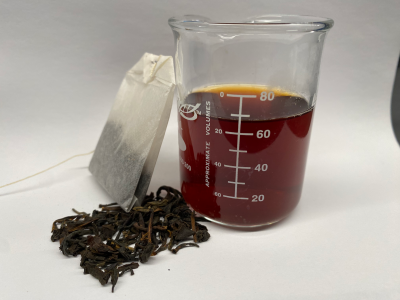
A study from Northwestern University has shown that brewing tea leaves naturally adsorbs, and passively removes, heavy metals such as lead, cadmium, zinc, chromium and copper.
The researchers estimate that typical tea preparation can remove about 15% of lead from drinking water, even up to concentrations as high as 10 parts per million. That estimate applies to a typical cup of tea comprising one mug of water and one bag of tea, brewed for three to five minutes.
Heavy metal ions stick to the surface of the tea leaves, where they stay trapped, effectively filtering dangerous contaminants out of the cup of tea.
Benjamin Shindel, the study’s first author, said, “[Tea leaves] have a high active surface area, which is a useful property for an adsorbent material. What is special is that tea happens to be the most consumed beverage in the world.
"You could crush up all kinds of materials to get a similar metal-remediating effect, but that wouldn’t necessarily be practical. With tea, people don’t need to do anything extra."
"Brewing tea for longer periods or even overnight, like iced tea, will recover most or maybe even close to all of the metal in the water.”
To conduct the study, the Northwestern team explored how different types of tea, tea bags and brewing methods affect heavy metal adsorption. Teas tested included black, green, oolong and white, as well as chamomile and rooibos. They also examined the differences between loose-leaf and commercially bagged tea.
Researchers created water solutions with known amounts of lead and other heavy metals such as chromium, copper, zinc, and cadmium and heated the solutions to just below boiling temperature. They added the tea leaves which were steeped for various time intervals from a few seconds to 24 hours.
After steeping, the team measured and compared how much of the metal content remained in the water to see which method was best at removing heavy metals.
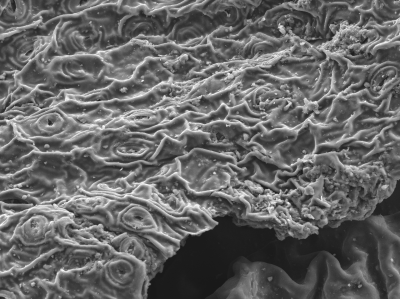
When comparing different teas, researchers discovered tea type and grind played minor roles in adsorbing heavy metals. Finely ground tea leaves, particularly black tea, create wrinkles and pores to open on a molecular level, absorbing slightly more metal ions than whole leaves due to increased surface area.
Steeping time played the most significant role in tea leaves’ ability to adsorb metal ions.
“Any tea that steeps for longer or has a higher surface area will effectively remove more heavy metals,” Shindel said. “Some people brew their tea for a matter of seconds, but brewing tea for longer periods or even overnight, like iced tea, will recover most or maybe even close to all of the metal in the water.”
Nevertheless, steeping tea for longer than five minutes, for example, adsorbs more lead compared to the average steeping time.
After testing different types of bags without tea inside, researchers found that biodegradable cellulose bags had the best results. Cellulose, a biodegradable natural material made from wood pulp, has a higher surface area than teabags made from cotton or nylon - leading to more successful absorbency.
Like the tea leaves, metal ions cling to the surface of the teabag so the more surface area for the heavy metal particles to stick to, the better.
“Cotton and nylon tea bags remove practically no heavy metals from water,” Shindel said.
“Nylon tea bags are problematic because they release microplastics, but most tea bags used today are made from natural materials, such as cellulose. These may release cellulose micro-particles, but that’s fibre which bodies can handle.”
Future opportunities
Vinayak P Dravid, senior author of the study, which was published in the journal ACS Food Science & Technology, is keen to stress that while tea leaves cannot be used as a replacement for water filters, the research highlights the unrecognised potential for tea consumption to passively contribute to reduced heavy metal exposure in populations worldwide, with the results providing useful information that could be applied to public health research.
In high-resource areas of the world, it is unlikely that concentrations would reach toxic levels and if there is a water crisis, brewing tea will not solve the problem.
Nevertheless, Shindel said, “Across a population, if people drink an extra cup of tea per day, maybe over time we’d see declines in illnesses that are closely correlated with exposure to heavy metals. Or it could help explain why populations that drink more tea may have lower rates of heart disease and stroke than populations that have lower tea consumption.”