
Doctor Toilet will see you now
What if your toilet could monitor your health? With advances in artificial intelligence, this is already a reality.
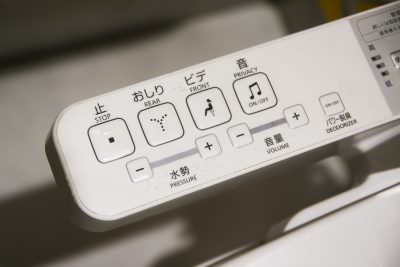
Japan is well known for pushing the boundaries of toilet innovation. Under-lid lighting, automatic opening, heated seats, automated air deodorisers and built-in water nozzles are a fairly standard sight across many public and private bathrooms.
Now Toto, a Japanese toilet company is taking its technology to a whole new level to help people better manage their health through automated monitoring and analysis of their wee and poo.
Toto's toilet is equipped with sensors in the seat and other health-monitoring technologies that look for signs of health problems. The Wellness Toilet, which the company hopes to roll out in a few years, will scrutinise people's daily waste output to look for various disease markers.
Meanwhile over in the US an artificial intelligence tool being developed by scientists that can be added to the standard toilet to help analyse patients’ stools. The work is being done by Duke University’s Center for Water, Sanitation, Hygiene & Infectious Disease (WaSH-AID), and was presented at the virtual conference Digestive Disease Week 2021.
“Typically, gastroenterologists have to rely on patient self-reported information about their stool to help determine the cause of their gastrointestinal health issues, which can be very unreliable,” said Deborah Fisher, MD, associate professor of medicine at Duke University and one of the lead authors on the study.
The potential is huge. Discreetly placed sensors on the toilet could determine early signs of disease, monitor blood oxygenation levels, heart rate, and blood pressure and flag any health issues that need ongoing management, such as diabetes.
Since toilets get used several times a day, it makes capturing data easy and could help shift towards proactive healthcare. The possibilities stretch far beyond personal bathrooms. For example, with the help of data collected from smart toilets in public spaces - in combination with other relevant data - it could give global health professionals early warnings of a disease outbreak before it becomes a crisis.