
Energy generated by reservoir will power homes

A renewable energy scheme at a Scottish reservoir will produce enough renewable electricity to power around 100 homes in the local area.
Scottish Water (SW) unveiled the plans as parts of its race to achieve net zero carbon by 2040. Currently, around 69% of the public water utility's carbon footprint is as a result of its electricity demands.
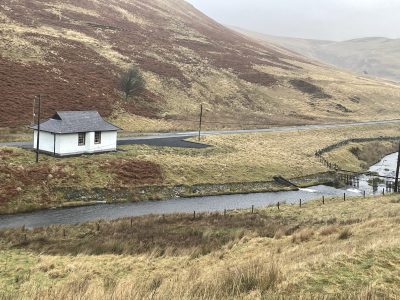
In a bid to tackle this, SW identified 25 sites where renewable energy schemes could help off-set energy use. Lower Glendevon Reservoir, which is situated south of Gleneagles golf course in Perthshire, was selected following a successful trial involving engineering firm Torishima Service Solutions Europe and technology company ABB.
In the pilot scheme, a hydroelectric generation system was installed at Lower Glendevon Reservoir, which demonstrated the installation could provide enough renewable electricity to power around 100 local homes.
Tom Coutts, senior project manager for TSSE said, "In the first three months of operation, we have generated over 113,000 kWh of electricity, which we have been able to return to the grid and puts us on course to save at least the equivalent of 93 tonnes of carbon dioxide annually."
Coutts added that the positive results garnered at Lower Glendevon means Scottish Water now has an increased focus on introducing renewable power generation at other facilities.
"In the first three months of operation, we have generated over 113,000 kWh of electricity, which we have been able to return to the grid and puts us on course to save at least the equivalent of 93 tonnes of carbon dioxide annually.”
The utility says that the rapid depletion of fossil fuels combined with economic and population growth mean water utilities are looking for renewable sources of energy. While solar and wind power are gaining traction across the world, the most widely-used source of renewable energy is hydroelectric power.
“These schemes are, by their nature, weather-dependent so it can be difficult to accurately predict performance into the future,” adds Coutts. “We have been impressed with what we have seen so far though, which has given us confidence to start identifying other facilities where we can look at introducing renewable power generation.”
Jim Dow, regional sales manager for ABB, said, “The project at Lower Glendevon is a good example of how existing infrastructure ... can be utilised to contribute towards net zero targets. While the scheme itself is relatively small, it proves the concept.”
What is hydroelectric power?
Hydroelectric power is any kind of power that takes advantage of the energy output from the physical flow of water - including hydroelectric dams and reservoirs, run-of-the-river turbine set-ups, pumped storage projects, tidal plants, and underground waterways.
It is considered a source of renewable energy because water is replenishable over time and does not consume more resources than it produces.
In terms of actual economic cost, hydroelectric power is one of the cheapest methods of energy production – though initially a costly investment due to construction costs, its daily cost of operation is largely independent of labour and fuel, and if properly managed, a plant can remain in service for many decades.