Water story-writing competition will help researchers

Stories about water written for a competition will have a lasting impact on research into the language used by young people - and raise awareness about climate change.
The theme Water Stories has been chosen for an annual writing competition hosted by the National Literacy Trust and
the University of Birmingham, UK. It allows young people to explore what water
means to society, whilst also contributing to research into the linguistics of
stories.
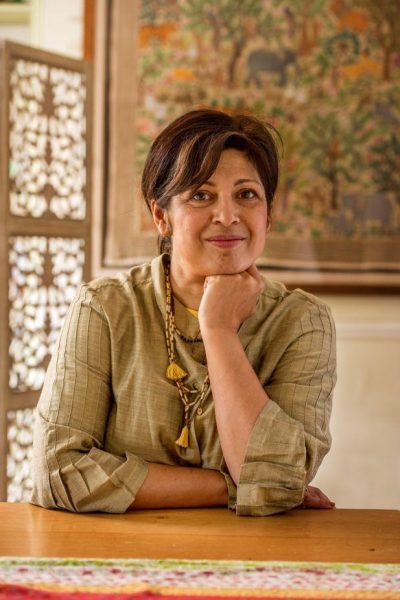
Bestselling author Sita Brahmachari will lead the judging panel. She is passionate about championing inclusiveness, was the 2015 BookTrust writer in residence and recipient of an honour from the International Board of Books for Young People.
Brahmachari is also writer-in-residence at Islington Centre for Refugees and Migrants, as well as an Amnesty International ambassador.
She said: “The rivers, canals and oceans that have inspired me also map journeys of history, migration, imagination, adventure, identity and belonging. In fact, in at least three of my stories, The River Whale, Where the River Runs Gold and When Secrets Set Sail, my love of water is announced in the titles.
“So now is the time to raise your anchors like my characters and set sail on your own water story journey. Who knows where in the world you'll end up!”
The competition, open to young writers aged nine to 14, from across the UK, is part of research at the University of Birmingham to raise awareness of the urgency of the climate and water crises.
"It is more important than ever to raise awareness of what water means to our society,”
David Hannah, professor of hydrology and UNESCO chair in water science at the University of Birmingham, said: “Major issues around water can be described as too much water, too little water, too polluted water. Today, it is more important than ever to raise awareness of what water means to our society.”
The submitted stories will be added to the Birmingham Stories Corpus (BSC), a collection of stories used by researchers to study the language of young people. Every single submission will be part of the BSC, meaning students’ voices will have a lasting impact as part of this research.
Full details and support materials can be found here. Deadline for entries is Friday 5 November.