
Inspiring stories of women in water

Globally, the burden of water scarcity and inadequate sanitation disproportionately affects women and girls, making it a critical issue for International Women's Day.
In countless communities, women shoulder the primary responsibility of water collection, often spending hours each day trekking long distances. This labour, coupled with the increased risks of harassment and health complications due to lack of safe sanitation, underscores the urgent need to address the gendered dimensions of water access.
However, despite these challenges, women have made remarkable contributions in critical water and wastewater management across history. This International Women's Day (8 March) we celebrate some inspiring women who have shaped our understanding of water systems and paved the way for sustainable practices.
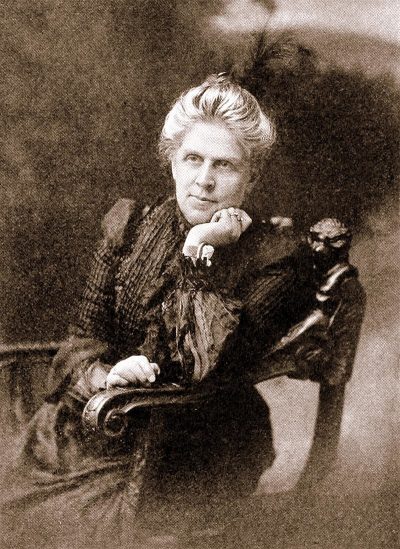
Harriet Williams Strong (1844 - 1926) tackled water scarcity in the arid western United States. Strong understood the challenges of water management in dry regions. She advocated for innovative water storage solutions, including dams and reservoirs, contributing significantly to the development of water infrastructure in Southern California.
Her work was crucial in enabling the growth of agriculture and communities in this water-stressed area. Strong has since been inducted into the US National Women's Hall of Fame and the National Inventors Hall of Fame.
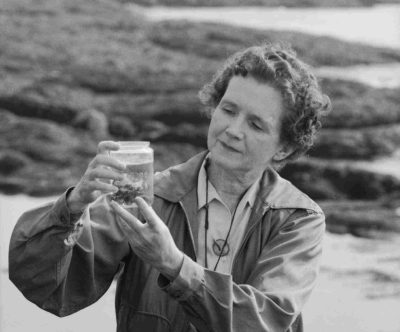
Rachel Carson, (1907 – 1964) revolutionised our understanding of the interconnectedness of ecosystems. Her groundbreaking book Silent Spring, published in 1962, exposed the devastating effects of pesticides on the environment, including water sources - sparking a global environmental movement and highlighting the importance of protecting our water from pollution.
Then there is Ruth Myrtle Patrick (1907– 2013), a pioneering limnologist (scientists who study the physical, chemical, and biological properties of lakes, rivers, and streams). Patrick dedicated her career to studying freshwater ecosystems. By developing the Catherwood Diatometer, a device for measuring water quality, Patrick transformed how scientists assessed the health of rivers and streams. Her research on microscopic algae provided valuable insights into water pollution and its impact on aquatic life, influencing water quality standards and conservation efforts.
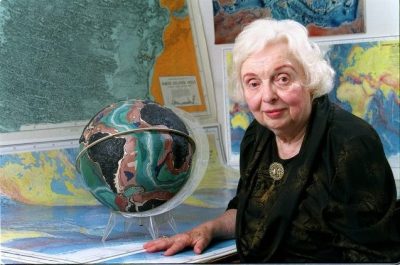
In the 1950s, US botanist Marie Tharp's work was foundational in understanding ocean systems, which are inextricably linked to the global water cycle. Her meticulous mapping of the ocean floor, in collaboration with Bruce Heezen, revealed the Mid-Atlantic Ridge and other crucial underwater features - transforming our understanding of plate tectonics and ocean currents. This work has had profound implications for understanding climate change and its effects on water resources.
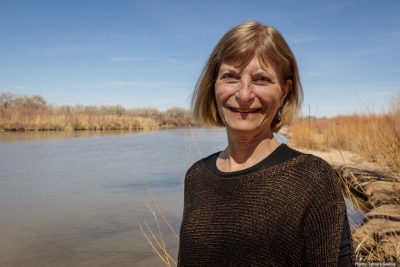
Joan Rose, who was born in 1954, is a renowned US microbiologist, who has been at the forefront of research on waterborne pathogens for decades. Her work has significantly advanced our understanding of the transmission and control of diseases through contaminated water, leading to improved water treatment and public health protection.
Her work on Cryptosporidium and other waterborne pathogens has been crucial for developing effective treatment strategies. Rose is a winner of Stockholm Water Prize, and a Fellow of the American Association for the Advancement of Science.
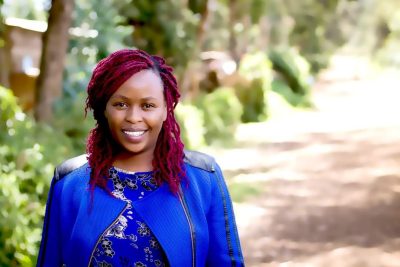
Beth Koigi is a Kenyan social entrepreneur and co-founder of Majik Water, a company that provides clean and safe water solutions to communities in need. From air to water, Majik water addresses the water crisis in Africa and helps communities achieve climate resilience.
Beth's work focuses on developing and implementing innovative water technologies, such as solar-powered water purification systems and water kiosks, to increase access to clean water in rural and underserved areas. Her passion for sustainable development and community empowerment drives her efforts to ensure that everyone has access to this essential resource.
You can watch her incredible 2019 TedX talk here.
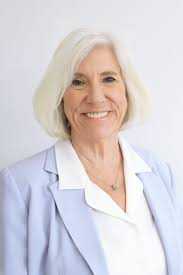
Sandra Postel (b: 1956) is the founding director of the Global Water Policy Project and a world expert on fresh water and related ecosystems. From 2009-2015, she served as Freshwater Fellow of the National Geographic Society, and is a leading voice on global water issues - dedicating her career to raising awareness about the growing challenges of water scarcity and overuse.
Through her writing and advocacy, she has highlighted the importance of sustainable water management and the need for innovative solutions to ensure water security for future generations.
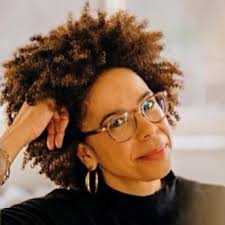
Finally, Ayana Elizabeth Johnson, born in 1980, stands as a prominent example of a woman leading the charge in ocean conservation and climate policy. A marine biologist, policy expert, and conservation strategist, Johnson co-founded Urban Ocean Lab, a think tank dedicated to developing ocean-climate policy specifically for coastal cities.
Her work bridges the gap between scientific understanding and practical solutions, addressing the unique challenges faced by these vulnerable areas. As the Roux Distinguished Scholar at Bowdoin College and author of What If We Get It Right? Visions of Climate Futures, she inspires action and offers a hopeful vision for a future where we prioritise ocean health.
Johnson's experience includes serving as an adjunct professor at New York University and working with both the United States Environmental Protection Agency (EPA) and the National Oceanic and Atmospheric Administration (NOAA).
These women, among many others, have left an indelible mark on the field of water and wastewater. Their contributions, spanning from scientific discovery to public advocacy, have been essential for protecting our water resources and ensuring a sustainable water future.
Marking the contributions of these women is not just about acknowledging the past, but also about shaping a more inclusive and equitable future for the field. By celebrating their achievements, we can inspire the next generation of water professionals and ensure that diverse voices are at the forefront of addressing the critical water issues facing our world.