
Power of wetlands boosts water and wildlife

As World Wetlands Day is celebrated on 2 February 2023, newly created wetlands are helping to boost water quality at a reservoir in Somerset, UK.
The projects from Wessex Water harness natural processes to reduce the amount of ammonia and phosphorus present in nearby watercourses. By reducing these pollutants, the quality of the water improves, significantly enhancing the variety of plant and animal life in the local habitat, supporting biodiversity.
Durleigh Reservoir & Water Treatment Centre supply parts of Somerset with clean water. The two new wetland habitats, constructed to the west of the treatment centre have reduced the amount of ammonia present in water by nearly 75%, while phosphorus and sediments have dropped by around a third.
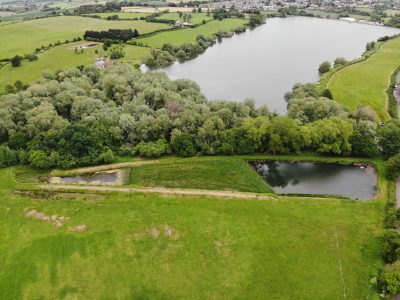
Investigations have also revealed that the project, which also included restorative work to a nearby river, has resulted in the biodiversity in the surrounding waters and land habitats increasing by between 55 and 76%, according to measurements calculated through the Natural England Biodiversity Metric.
Wessex say all these benefits continue to accrue as the habitats mature and the utility is carrying out regular sampling and analysis of the wetlands, which were created as part of a £50 million refurbishment of the water treatment centre, which was returned to operation in late 2022.
The wetlands are designed to filter silt and coarse sediment, helping to improve the quality of raw water entering the reservoir, as well as boosting biodiversity by becoming home to a diverse array of wildlife. An existing wet woodland aacts as a final screening process before the water reaches the reservoir.
"The wetlands are a great example of how we can harness the power of nature to support our water supply operation."
Durleigh had previously suffered with poor raw water quality, deteriorating over decades. The wetlands are supporting the revamped treatment processes, using natural processes to ensure the site delivers the highest quality drinking water to thousands of homes in the region.
Wessex Water’s biodiversity and wetlands project manager Sarah Williams said, “As well as enhancing wildlife and biodiversity, these wetlands are a great example of how we can harness the power of nature to support our water supply operation.
“Each wetland at Durleigh has its own purpose – a naturalised wetland captures sediment and silt by connecting the Durleigh Brook back to its floodplain, while a constructed wetland area improves the quality of supply from the Bridgwater & Taunton Canal, as well as recycled water from the water treatment centre itself. The wetlands also support the work of our catchment delivery team with local farmers to reduce pesticides and silt entering the Durleigh Brook that flows down to the reservoir."
She adds, “This area is one of our most biodiverse and is becoming home to lots of aquatic-loving species and the newly-created habitats have brought significant wildlife benefits, being home to amphibians, dragonflies, birds and wildflowers. It’s also home to our first staff forest where we plant trees every year.’’

Wessex Water’s director of environmental solutions Ruth Barden added, “We are continuing to monitor the effectiveness of sites like Durleigh, examining chemical and biological data to inform our future investment decisions.
“This will help us pursue a more sustainable approach towards improving water quality and local biodiversity of our water courses as well as delivering lower carbon and more cost-effective solutions for water supply, sewage works discharges and storm overflows.’’
Durleigh is one of a number of wetlands projects already completed or in planning by Wessex Water throughout the region, as the company actively sources more natural solutions to tackling key environmental issues.
A constructed wetland downstream from the Cromhall Water Recycling Centre in south Gloucestershire is continuing to provide pioneering results for the water industry, having been designed to remove phosphorus from the treatment process.
Findings released last year revealed that such a wetland could keep the concentration of phosphates in effluent within permitted limits and effectively remove microplastics and more than 70% of some compounds from the water, as well as reducing the bacteria being released into the environment by more than 95 per cent.