Pied wagtail cherry-picks top spot
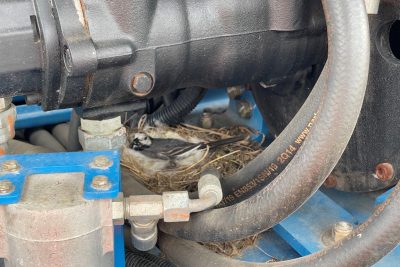
A nesting pied wagtail has made an unusual choice of home - a cherry-picker at a UK sewage works.
Engineers spotted the nest among the pipes and wires of the hydraulic crane, which is used to raise and lower staff on site, and immediately took steps to prevent the parents and their eggs coming to any harm.
The machinery has now been fenced off with signs warning people to keep away. The site’s owner, Thames Water says the crane will be out-of-use until the young birds have hatched and safely flown the nest.
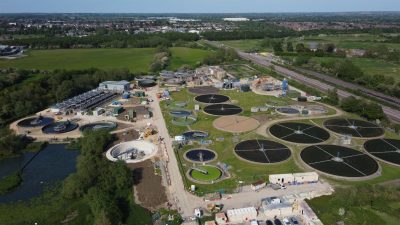
The sewage works serves the town of Bicester and is undergoing a £9.3 million upgrade to ensure a resilient service for the rapidly-growing population. The area is well known for its bird sightings and even has its own club for ‘twitchers’, as birdwatchers are known, and a bird hide.
To accommodate Bicester’s anticipated population growth of around 20,000 people over the next five years, the upgrade will increase the amount of wastewater the site can process and includes a new aeration lane and an additional final settlement tank.
Abundance of food
The pied wagtail, easily identifiable by its bouncing tail and black and white markings, is a common sight in towns and villages, darting about picking up insects off the ground or feasting on seeds in autumn and winter. With 470,000 breeding pairs in the UK, its conservation status is ‘green’, meaning it is neither threatened nor endangered.
Sewage treatment sites like Bicester are popular spots for birds due to the abundance of insects available for them to eat, and the ponds, lagoons and wild areas that are often on site.
Paul Dresou, of contractors MWH Treatment, said: “Pied wagtails are known to nest in strange areas like holes in walls, buildings, old nests of larger birds or even machinery and diggers, so we must be very vigilant and check all machinery before using it, especially at this time of the year.”