
Electric vehicles powered by poo
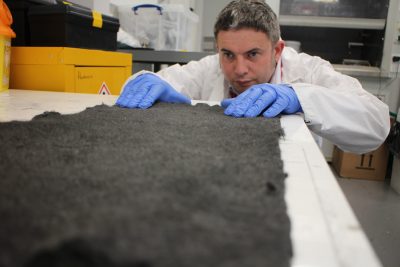
Researchers from the University of Warwick in the UK have discovered a low cost way to power electric vehicles using sewage.
Hydrogen, which can be harvested from wastewater, is a renewable energy that can be used in hydrogen fuel cells for energy storage or electric vehicles. The process of extracting hydrogen from waste brings new economic and environmental opportunities, but it can be very expensive - making it hard to roll out on a large scale.
Currently materials used to break down organic pollutants in wastewater and create hydrogen are made of graphite or carbon, cost several hundred pounds per square metre and produce low amounts of hydrogen.
However, using a recycled carbon fibre mat, researchers from Warwick University's Warwick Manufacturing Group (WMG) department have been able to extract hydrogen from sewage for UK utility Severn Trent at a much lower cost. The recycled carbon fibre mats cost only £2 (US$2.73) per square metre, making them significantly cheaper than existing materials.
"This technology has the potential to create a more circular wastewater treatment process which will be essential to delivering on our long term sustainability goals and net-zero plans."
After testing the carbon fibre mats on both synthetic and real wastewater, researchers found the bacteria developed on the recycled carbon fibre anode had better temperature tolerance and produced more hydrogen than materials that had been used previously.
They then decided to pilot their techniques at Severn Trent’s Minworth wastewater treatment site where they successfully processed up to 100 litres of wastewater per day and managed to remove 51% of organic pollutants and up to 100% of suspended solids from the water, while producing 18 times more hydrogen than the graphite material.
Dr Stuart Coles from WMG said: “We are really excited about this technology. We have developed a circular solution to a longstanding problem. Instead of just treating the wastewater, we are now able to extract value from it in the form of hydrogen at a lower cost than ever before.
“The next phase of this work is look at optimising the design and further reduce the level of pollutants in the water. This in turn should help produce even more hydrogen!”
Bob Stear, chief engineer at Severn Trent said the performance boost and cost savings demonstrated by this research mean the technology is one step closer to being cost-competitive with existing wastewater treatment methods.
He added: "WMG have also demonstrated this technology has the potential to create a more circular wastewater treatment process which will be essential to delivering on our long term sustainability goals and net-zero plans. We’re currently scoping scaling up the technology at our test-bed plant in Redditch.”