
People urged to get into London rivers

River rewilding, citizen science and daylighting buried streams are some of the measures the public can get involved with to help tackle pollution and make London more climate resilient.
That is the invitation from the organisers of London Rivers Week, which takes place 11-17 July 2022. London’s rivers can be beautiful spaces for wildlife and for people, they say, but can also face great challenges, including regular discharges of untreated sewage, run-off from busy roads and increasing plastic pollution.
The UK capital is also likely to face more extreme weather more frequently, due to the climate emergency. This will lead to accelerated and intense periods of drought and flood, and so London’s rivers will need to be climate-resilient and ready to tackle these issues.
"Even taking small actions can contribute to the river as a whole.”
Catchment Partnerships in London (CPL) which runs London Rivers Week is calling for all river stakeholders to invest in ending all sewage pollution, along with management of land and water as a whole-catchment system to deliver healthy rivers. CPL says there are multiple benefits that restoring our rivers can bring to the health of people and the variety of wildlife they support.
“A healthy river can better adjust to changes in the climate, providing refuge for species in extreme events, and enabling free movement of species. Even taking small actions can contribute to the river has a whole,” said Dave Webb, chair of CPL's London Rivers Restoration Group (LRRG) and biodiversity specialist at the Environment Agency.
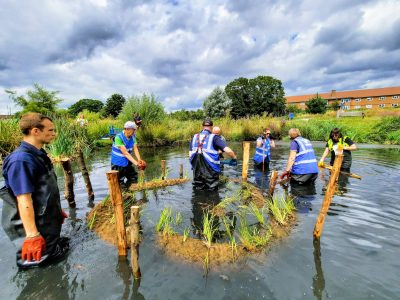
These actions include river rewilding projects – where natural processes are reinstated to restore biodiversity - and citizen science projects to monitor the health of their rivers, evidence the issues and identify opportunities for water quality improvements and physical rehabilitation.
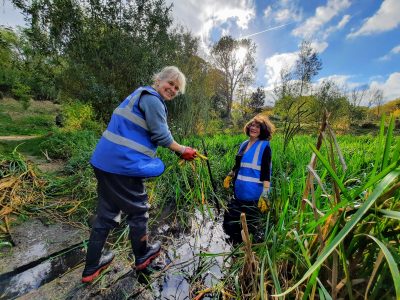
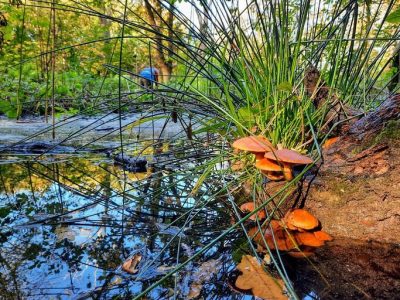
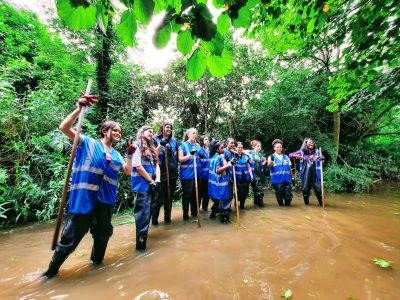
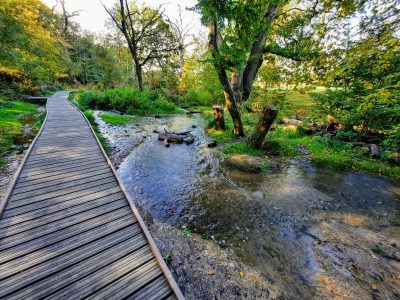
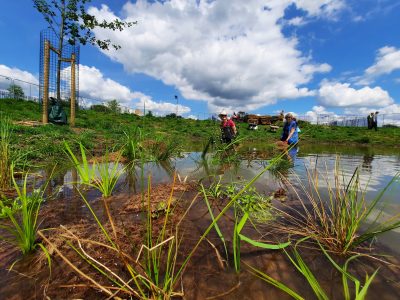
Rewilding can involve simple actions such as adding woody material to a river or removing concrete and metal from its banks. It can also mean giving rivers more space to flood over water meadows or creating new wetlands beside them. It can even mean daylighting stretches of rivers – bringing buried rivers into the light once more.
The public will have a chance to participate in many walks and talks at sites where restoration projects have been carried out during London Rivers Week, and find out how to spot and support new opportunities for improvements. LRRG has revealed a map which shows all the rewilded river projects completed in London since 2000.
“The map highlights the potential for 144 projects and over 36km of scheme which can be restored," said Webb. "This is a fantastic tool, to inspire the delivery of more restoration, to not only support the creation of new wild spaces, but also to bring wildlife to the heart of the city.”
On average, 3km per year of rivers and other waterways have been rewilded in the capital since 2000, but the LRRG has set an ambitious target to increase that rate to 5km by 2025. If that rate was achieved and maintained, about 33% of London’s 640km of rivers could be restored by 2050, a rise from the current 20 per cent.
“From virtual swimming lessons, meandering river walks to pond dipping and dog walking, we want to celebrate London’s blue spaces."
As well as the theme Natural Recovery, other central aspects of London Rivers Week include access to nature, health and wellbeing and climate resilience, which will be outlined in a series of walks, talks, events, and seminars.
Debbie Leach, chief executive of environmental charity Thames21, which chairs CPL, said, “We are excited to see London Rivers Week return for its seventh year. From virtual swimming lessons, meandering river walks to pond dipping and dog walking, we want to celebrate London’s blue spaces.
“London Rivers Week raises awareness of the success so far of the city’s river restoration projects and the opportunities still to come, but we also have a duty to work together to protect our rivers from any further destruction in light of the climate emergency. The best way to tackle this is to share what everyone knows, work cooperatively and find solutions.
"Our packed programme has a wonderful mix of free events for everyone to enjoy. We really look forward to seeing you there!"