
Restoration for peat's sake
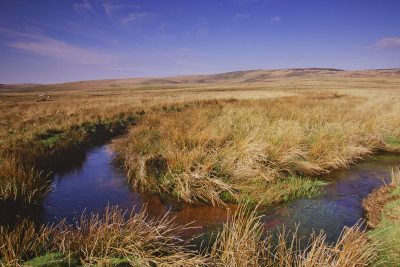
The restoration of thousands of hectares of vital peatland, throughout England, will help keep rivers clean and reduce flood risk, says Natural England chair Tony Juniper.
As England’s largest land-based carbon store, peatlands play a vital role in trapping carbon emissions and also provide wider benefits such as improved ecosystems and biodiversity, better water quality and natural flood management. However, only 13% of the peatlands are in a near-natural state.
Five new projects to restore England’s peatlands to a natural and healthy state will now benefit from millions of pounds through the Nature for Climate Peatland Grant Scheme will contribute to the ambitious Nature Recovery Network. The UK Government intends to invest over £50 million in peat restoration following a pledge to restore around 35,000 hectares of peatland in England by the end of this Parliament.
"[Peatlands] ... purify and store water, enabling rivers to run steady and clear while at the same time reducing flood risk."
"Our peatlands exemplify the multiple benefits society can reap from healthy natural systems," said Juniper. "They store a vast quantity of carbon, captured from the atmosphere by plants living long ago, they purify and store water, enabling rivers to run steady and clear while at the same time reducing flood risk.
"They are also wonderful wildlife habitats, supporting some of our most iconic species, and peat covers some of our most beautiful landscapes, including in the National Parks that we hope even more people will enjoy during the years ahead.
"By restoring peatlands, we can protect and increase all of these valuable benefits. I am delighted to see grants being awarded to ambitious and extensive proposals to restore the integrity and quality of peat systems across large landscape areas, contributing to a wider Nature Recovery Network. I am looking forward to seeing how the projects get started and progress."
The successful projects include:
- Northumberland – Led by Forestry England in partnership with the Northumberland Wildlife Trust, Northumberland National Park Authority, Natural England, Newcastle University and the Ministry of Defence, this project aims to restore 827 hectares of peatland on nine closely connected sites in the Border Mires
- Lancashire and Cumbria – Lancashire Wildlife Trust and Cumbria Wildlife Trust will collaborate to carry out important restoration works on 16 degraded lowland raised bog sites stretching from Merseyside up to the Scottish border. This encompasses former extensive areas of the Solway Plains, Witherslack Mosses, Lancashire plain and Pilling Mosses, Manchester Mosses, to the Mersey floodplain, and is aiming to restore 227 hectares over the scheme’s duration
- Greater Manchester – The RSPB, in partnership with United Utilities, will deliver a peatland restoration project that aims to restore degraded blanket bog on their partnership site at Dove Stone, aiming to restore 941 hectares of peatland restoration
- Cornwall, Devon and Somerset – Led by South West Water, this project will restore some of the UK’s most southerly blanket bogs on a total of 42 sites, including Bodmin Moor, Penwith, Dartmoor and Exmoor, aiming to restore approximately 2,634 hectares of peatland.
- Yorkshire, Manchester and Durham – Yorkshire Wildlife Trust, together with the North Pennines AONB Partnership and Manchester University, will carry out restoration work on degraded blanket bog across 15 sites in a new collaboration called the Great North Bog Initiative. This project expects to deliver 3,510 hectares of peatland restoration in the Yorkshire Dales and North York Moors National Parks as well as the Nidderdale and North Pennines
Applications for restoration grants opened in April, as part of the Nature for Climate Peatland Grant Scheme. The recently announced England Peat Action Plan sets out further actions to ensure peatlands are functioning healthily for the needs of the planet.