
Floating wetlands will naturally treat drinking water

Floating wetlands will be used by a water company to naturally pre-treat drinking water, in what is believed to be a UK first.
Severn Trent has started work on a £566m green recovery programme in the county of Derbyshire to help secure future water supplies. The programme includes building a new water treatment works on an existing site, Church Wilne, as well as implementing carbon-friendly, nature-based solutions in the form of wetlands.
The company has already launched three floating wetlands across gravel beds at Witches Oak water storage site, from which water is abstracted for treatment at Church Wilne, with a further 27 due to be launched in spring 2023.
"This project will not only see more water for our region and help us in the future, the fact we’re turning to nature to help pre-treat the water will mean we’re doing this in the most sustainable way possible."
Nature-based solutions, such as floating wetlands, provide a sustainable mechanism for removing many of the damaging pollutants from the environment. This reduces energy and chemical use further on in the process at treatment plants, improves the condition of the aquatic environment and increases biodiversity.
Root structures that develop under the wetlands are critical for water cleaning, as they provides a large surface area for the development of microbial communities needed to remove pollutants from the environment, Severn Trent explains.
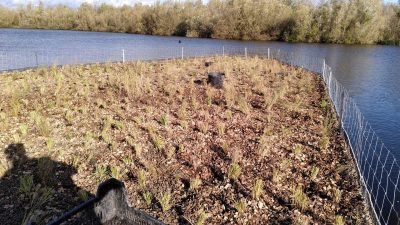
The wetlands at Witches Oak have been created to be a haven for fish and eels. Their innovative design means they will rise and fall with the level of the River Trent, which is the water source that feeds the storage facility.
Mat Bingham, green recovery programme lead at Severn Trent said, “As a country, we’re really facing the impact of climate change and population growth and this year with minimal rainfall and water usage rising, we’re seeing effects of that.
“While we all absolutely still have to save water and treat water like the precious resource it is, this project will help secure supplies within the region for the future – while being carbon friendly and using pioneering water treatment processes.”
The Green Recovery Programme will provide up to an extra 89 million litres of drinking water a day, which could supply a city the size of Derby.
Bingham adds, "This project will not only see more water for our region and help us in the future, the fact we’re turning to nature to help pre-treat the water will mean we’re doing this in the most sustainable way possible, and could help change how the industry looks to be carbon friendly when it comes to water treatment.”